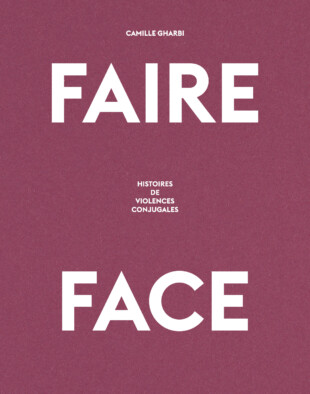
FAIRE FACE. HISTOIRES DE VIOLENCES CONJUGALES


FAIRE FACE. HSITOIRES DE VIOLENCES CONJUGALES
CAMILLE GHARBI
May 2022
Current edition
21 x 27 cm
196 pages
Languages: French
Images: color
Texts: Raphaële Bertho, Ivan Jablonka, Lorraine de Foucher, Carole Groulet
35€
ISBN : 979-10-92727-49-4
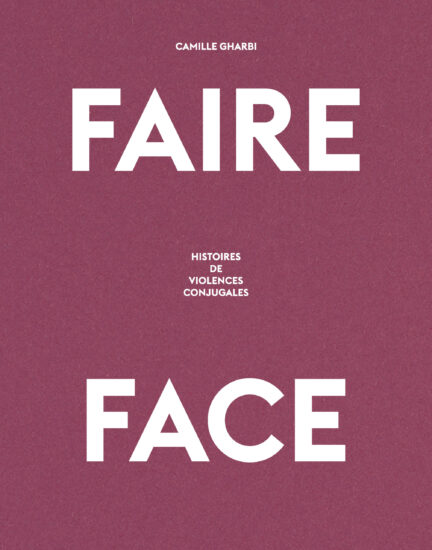
Facing Up. Stories of Domestic Violence is a photography project carried out between 2017 and 2022, focusing on the issue of violence against women and violence within couples.
This first monograph by Camille Gharbi brings together three series of photographs that document domestic violence “Proof of Love”, examine the recovery journeys of former victims “A Room of One’s Own”, and explore the possibilities for deconstructing the perpetrators’ relationship with violence “Monsters Don’t Exist”.
Each of these series evokes in its own way the reality of this violence, its intensity, its banality.
Through these individual and unique stories, told in images and words, it is society as a whole that must “face up” to the challenge of deconstructing systems of thought, encouraging the search for constructive solutions, and doing things differently.
The project developed with The Eyes publishing house brings together these various works, as well as texts by prominent figures who are committed to and concerned with this issue.
To broaden the discussion, we invite four prominent figures who are aware of, experts in, or affected by the issue to share their analysis of the subject and Camille Gharbi’s work.
Raphaële Bertho
lecturer in art, deciphers Camille Gharbi’s artistic approach while implicitly sharing her own experience of domestic violence.
Ivan Jablonka
Author of the essay Laetitia and the essay Des hommes justes (Righteous Men), he brings his perspective as a historian and feminist who seeks to redefine the codes of masculinity.
Lorraine de Foucher
Journalist at Le Monde and co-director of the documentary broadcast on France 2, Féminicides, l’Affaire de tous (Femicide: Everyone’s Business).
Carole Groulet
Clinical psychologist at the SPIP in La Rochelle.
PROOF OF LOVE
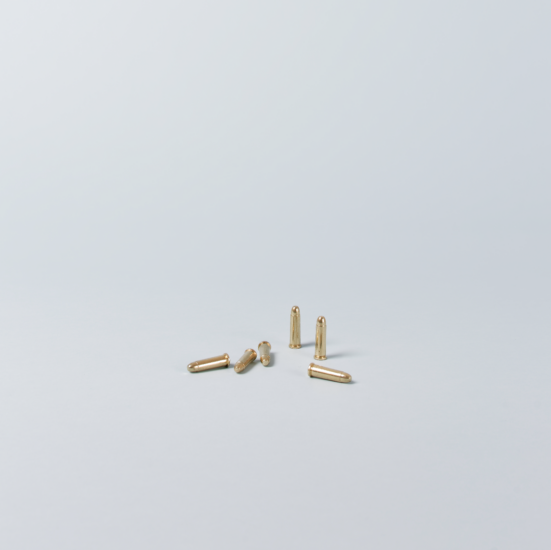
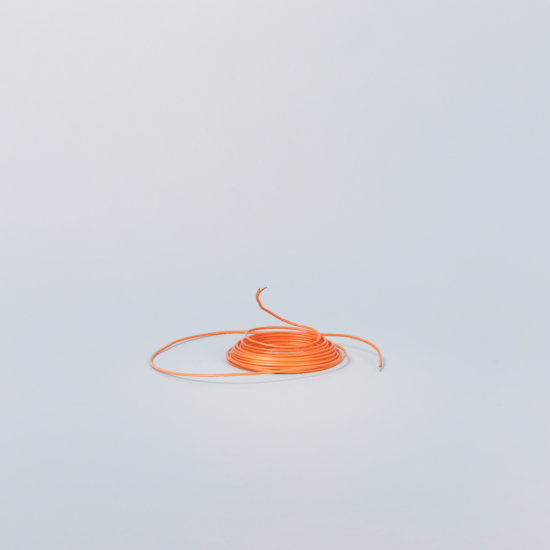
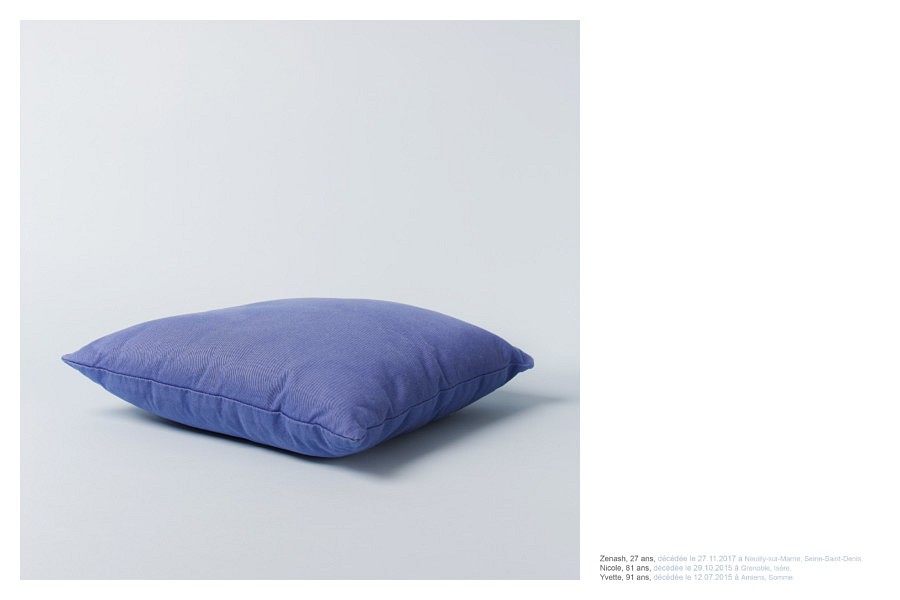
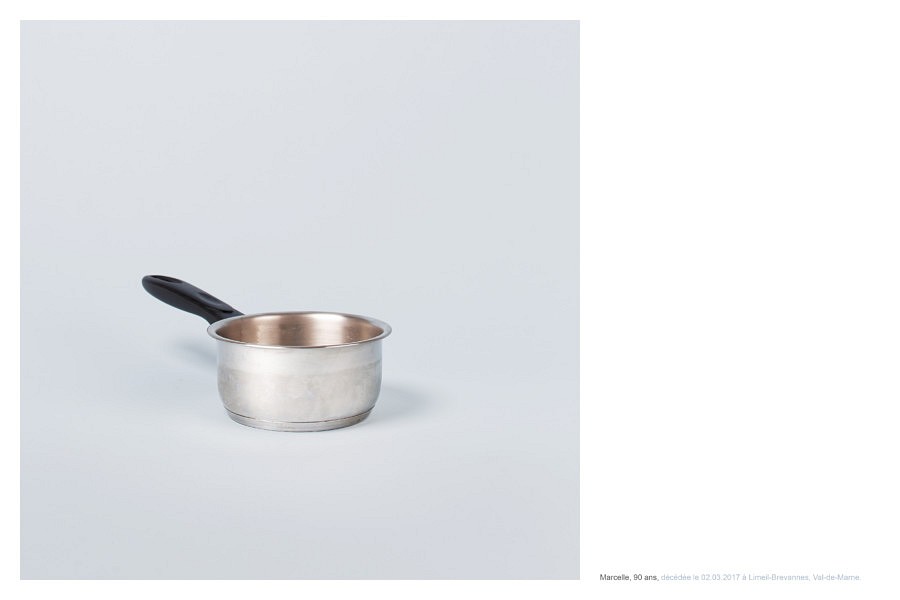
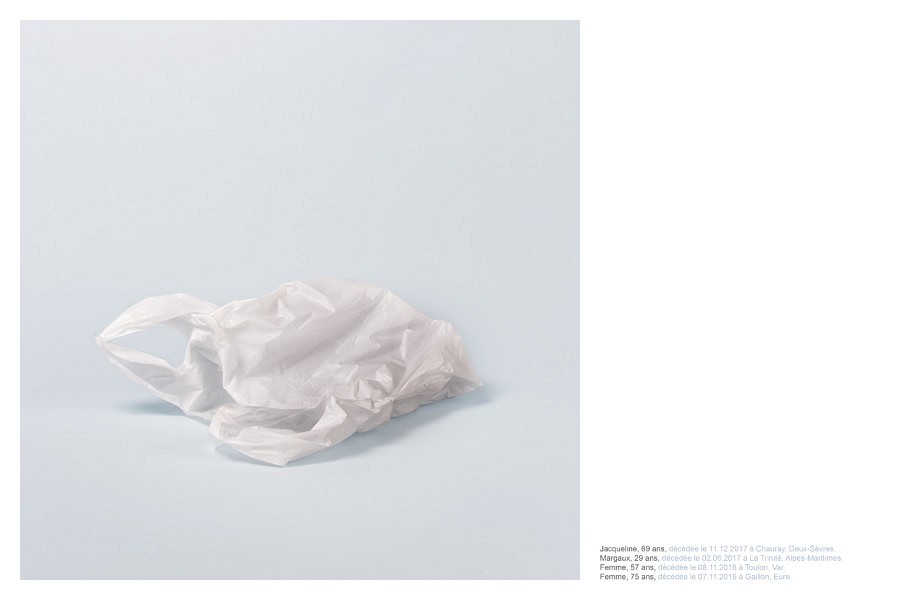
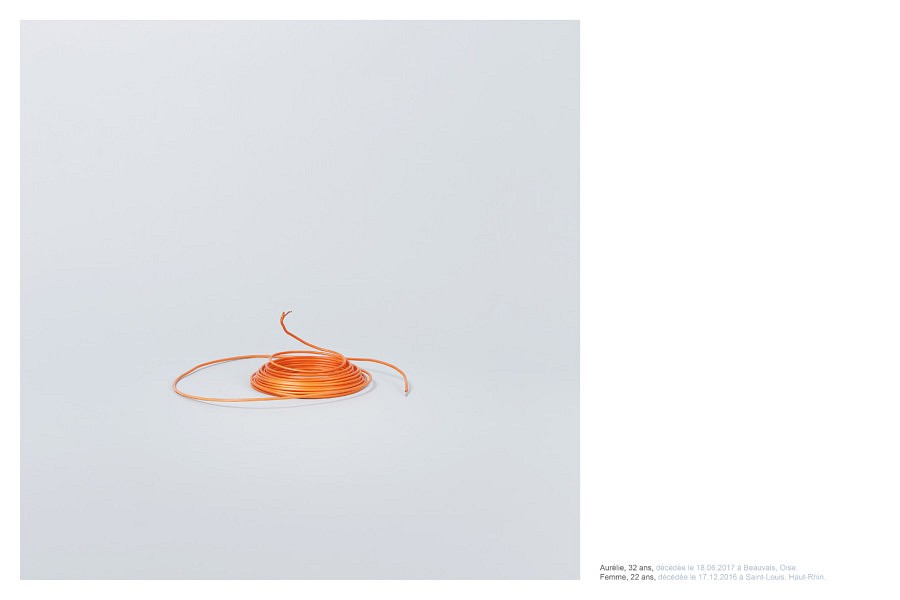
The first part of this work, entitled “Proofs of Love,” addresses the issue of domestic femicide through everyday objects that are turned into murder weapons.
This first series highlights a phenomenon that is so recurrent that it seems almost endemic. Faced with this inertia, Camille Gharbi seeks to provoke a sensitive electric shock in response.
These familiar artifacts, most of which come from her own home, do not immediately convey the violence of the events with which they are associated. The banality of the images clearly reflects the banality of the evil that is violence against women, which is doubly invisible in society.
MONSTERS DOn’t EXIST
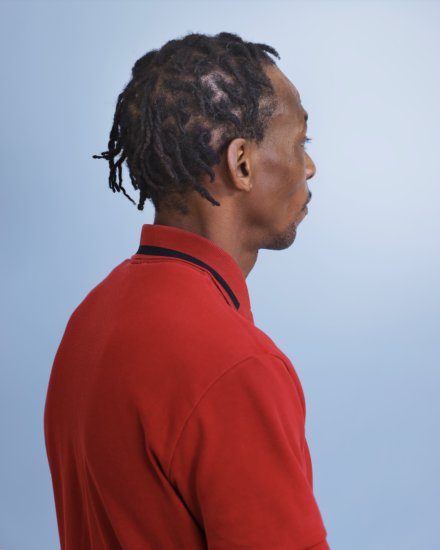
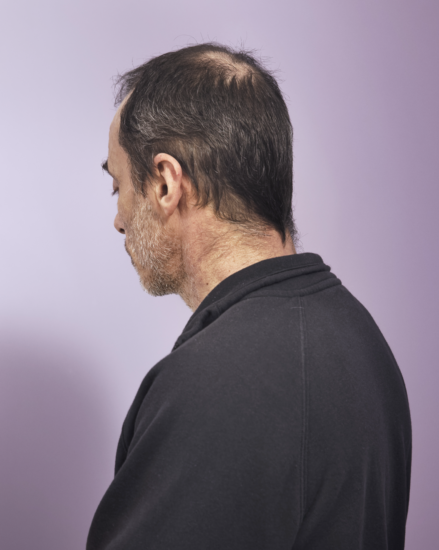
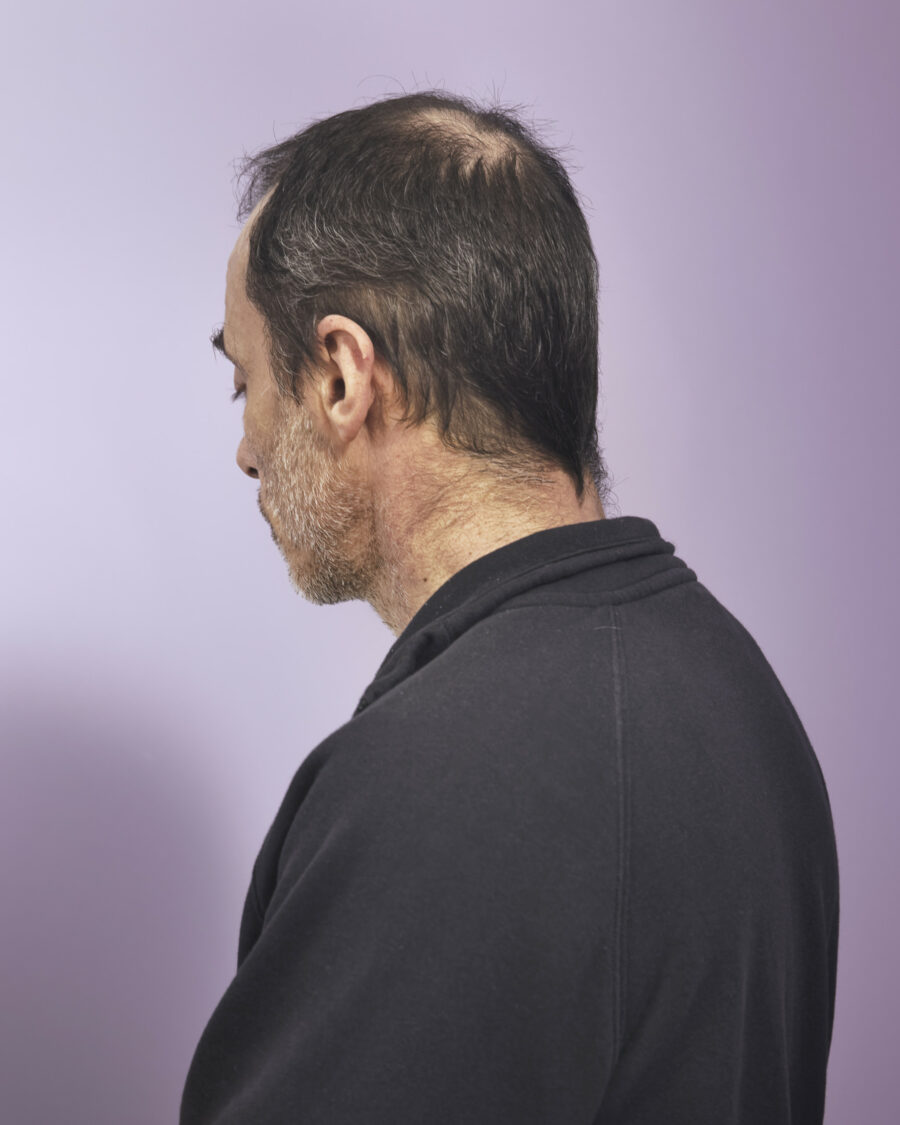
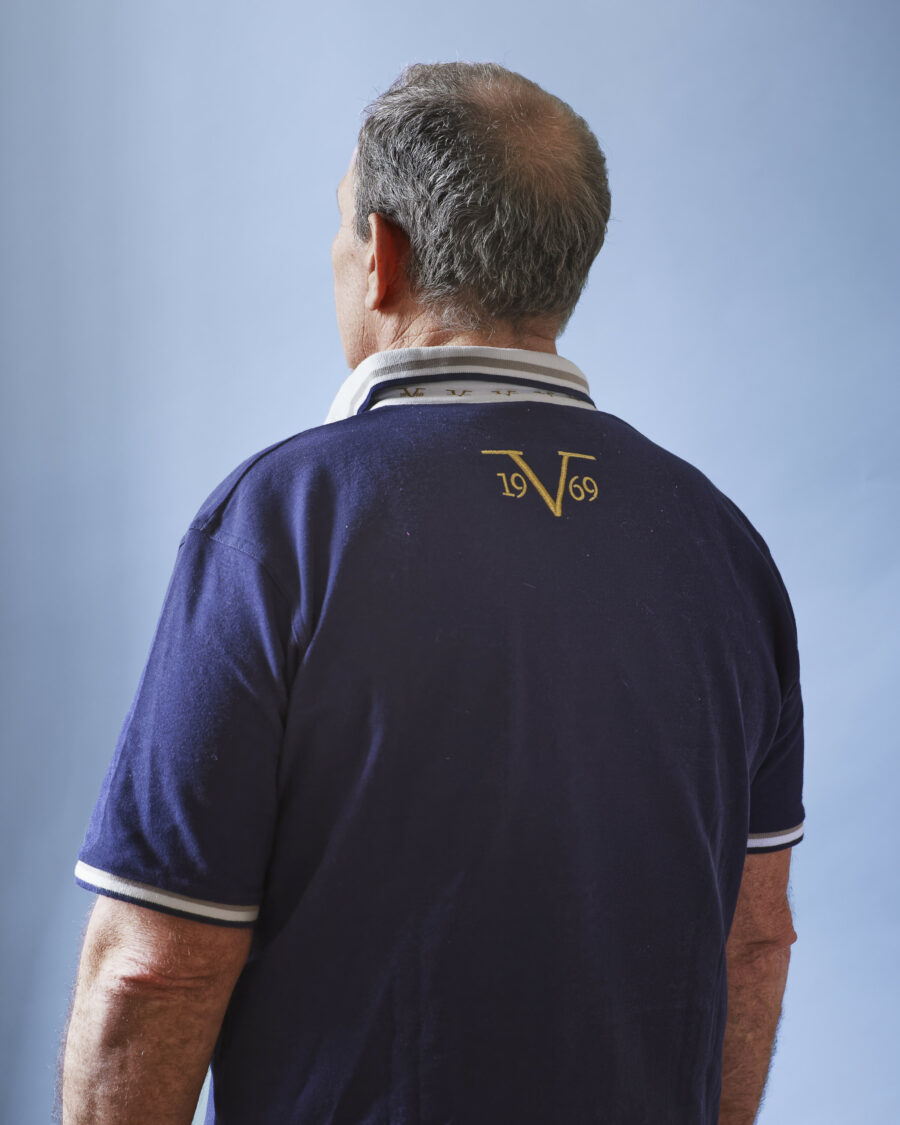
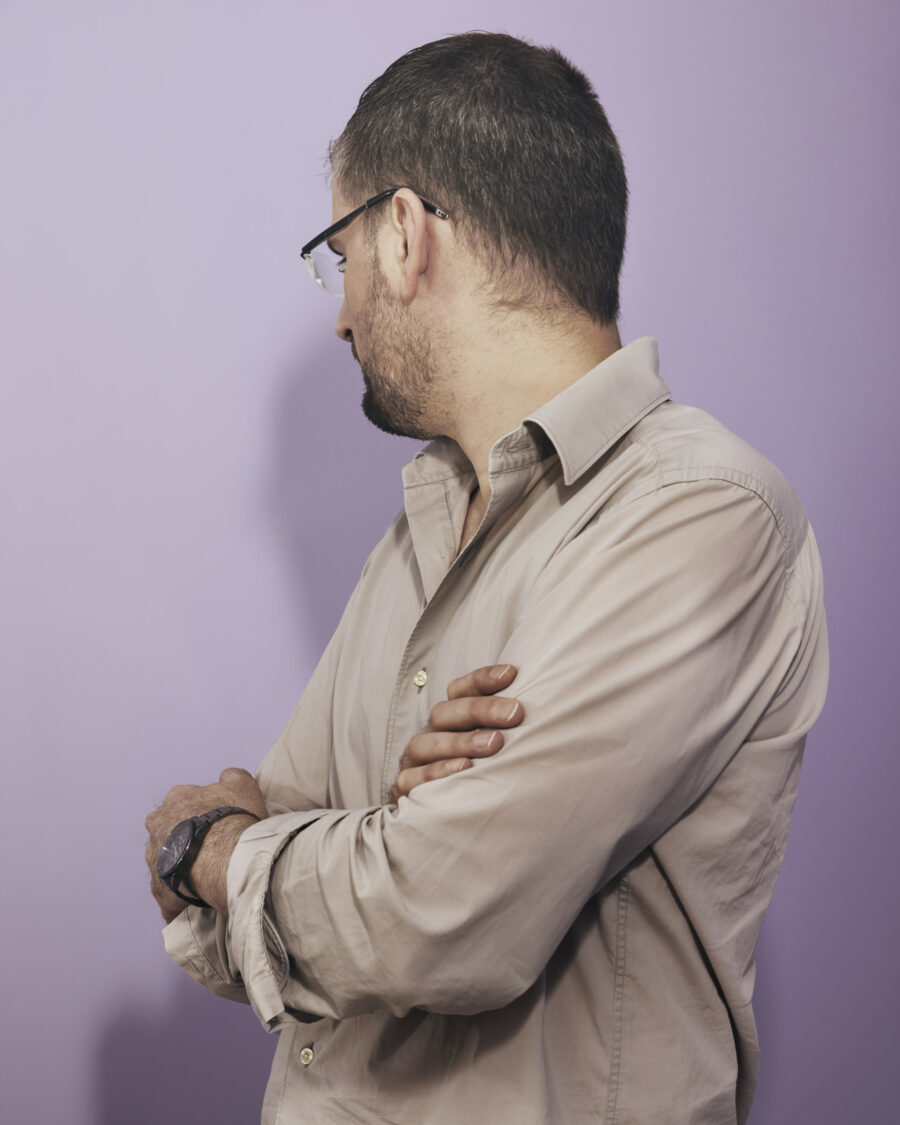
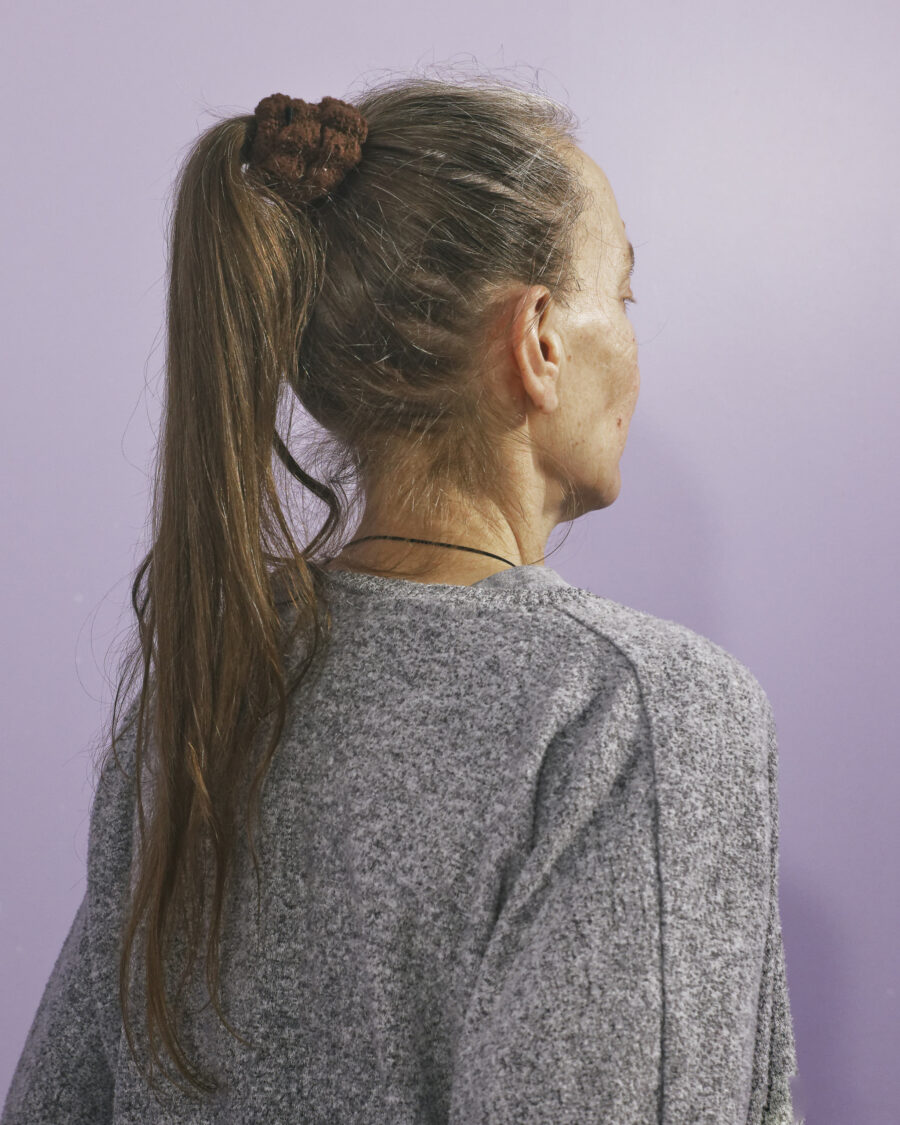
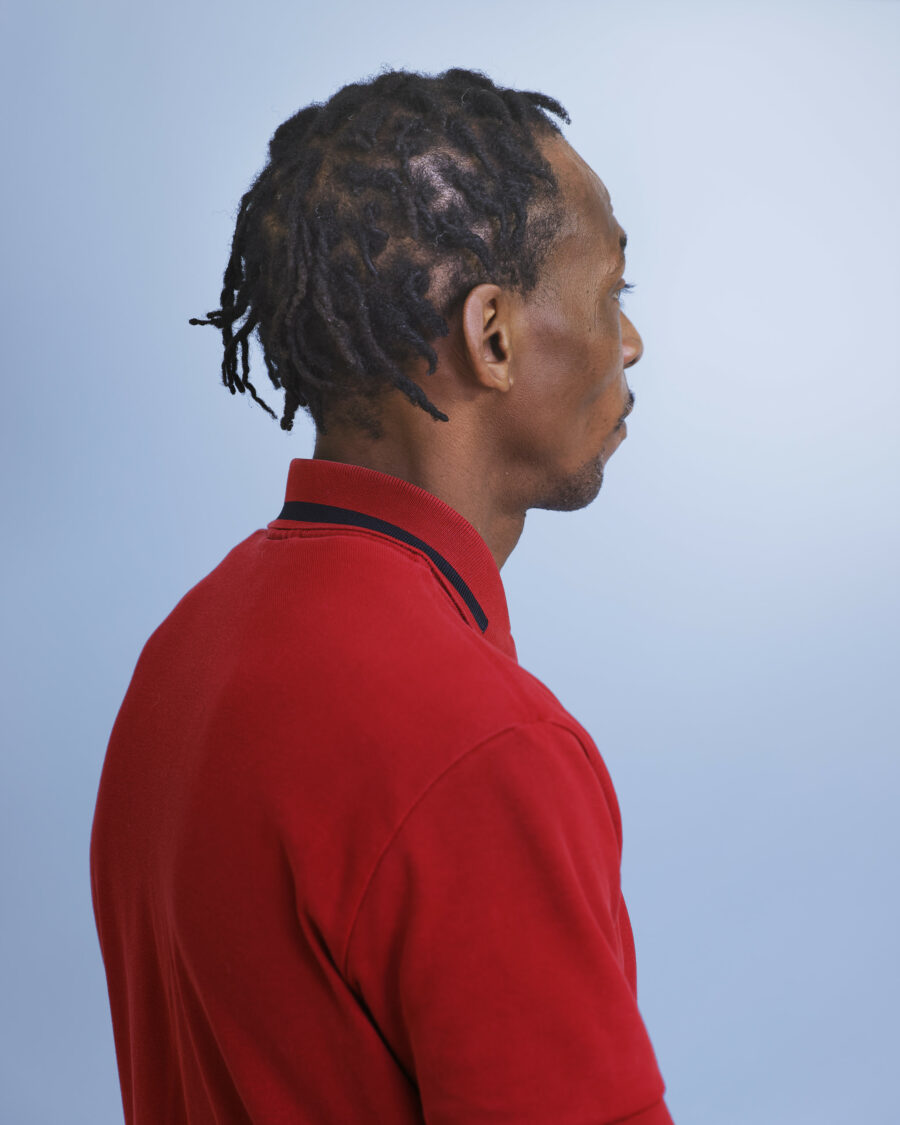
“Monsters Don’t Exist” tackles a rarely discussed topic: preventing repeat offenses from the perspective of perpetrators of domestic violence.
Portrait/testimony diptychs created in prison highlight inmates who have embarked on a process of taking responsibility for their actions.
This work seeks to deconstruct the figure of the “monster,” not to excuse it but to enable a better understanding of the cycle of violence.




A ROOM OF ONE’S OWN
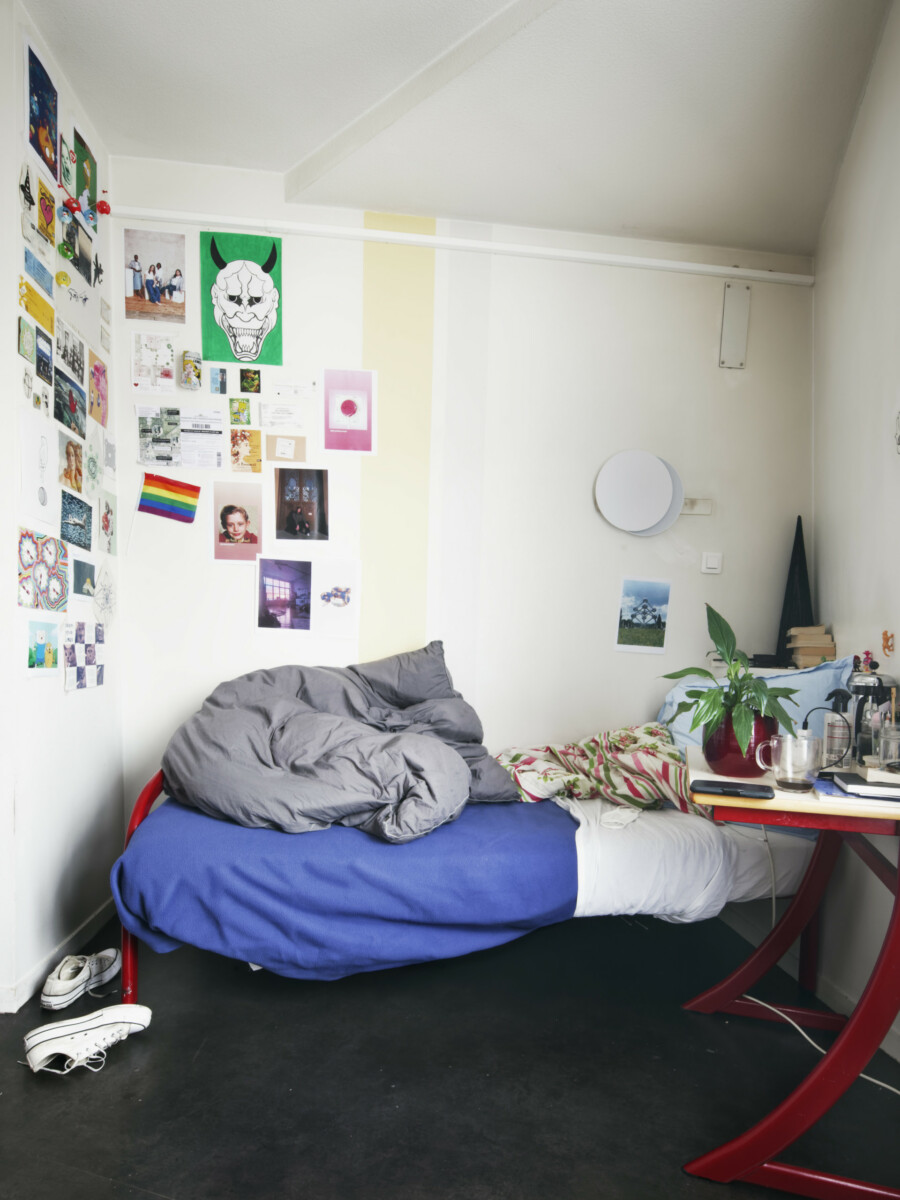
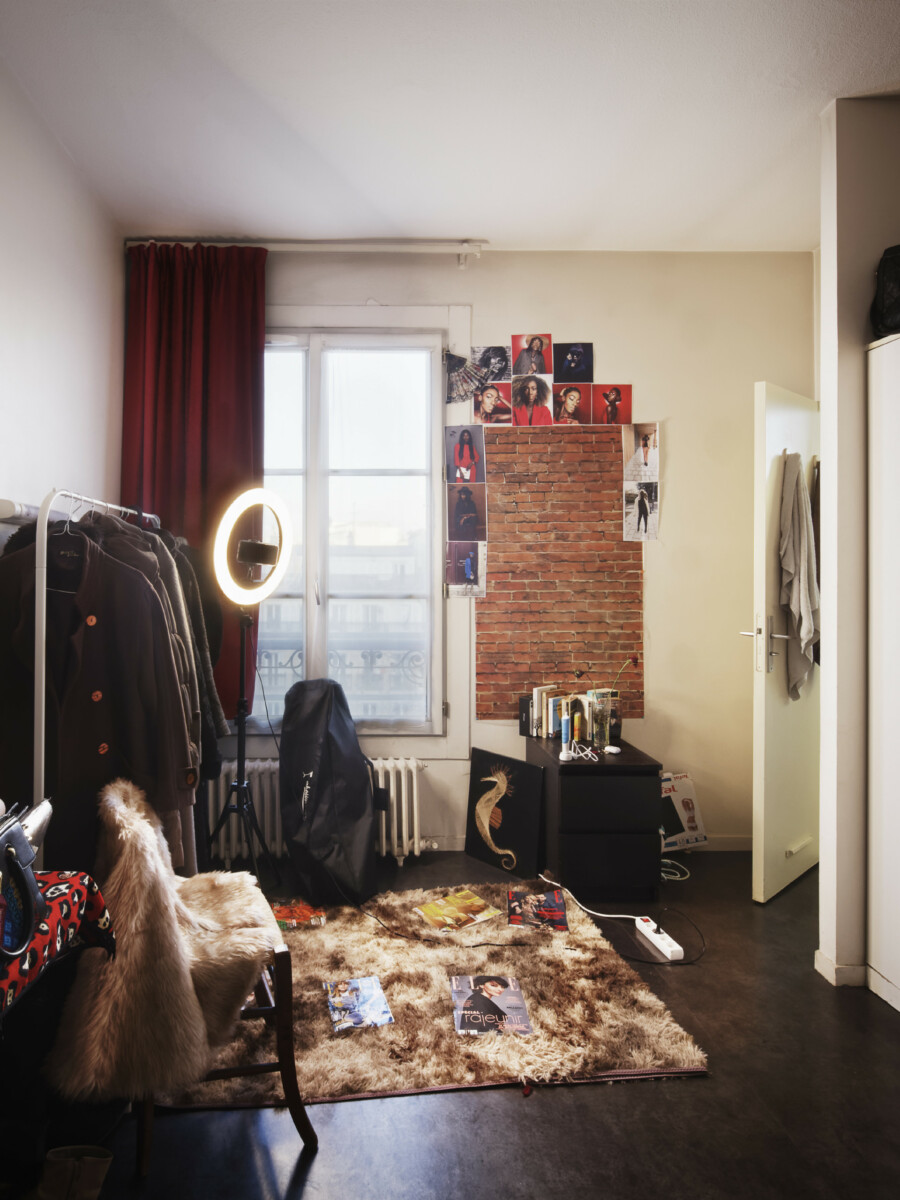
The series “Une chambre à soi” (A Room of One’s Own), produced between 2019 and 2020, focuses on the process of rebuilding the lives of victims of domestic violence.
For several weeks, the photographer met with young women staying at the association “FIT, Une Femme Un Toit” (FIT, One Woman One Roof) in Paris, the only organization in France dedicated to providing shelter and care for young women aged 18 to 25 who are victims of sexual, domestic, or intra-family violence.
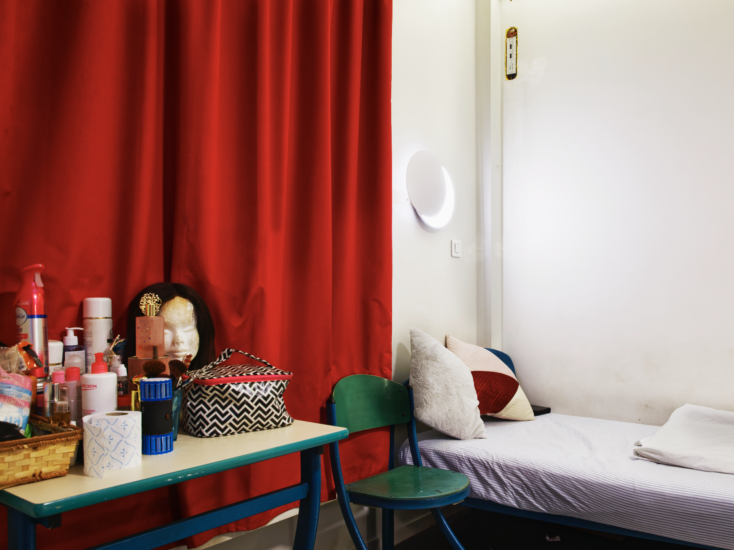
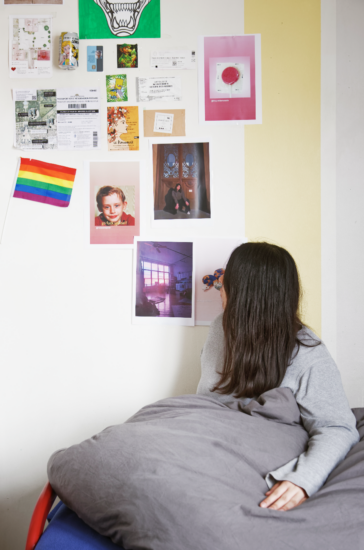
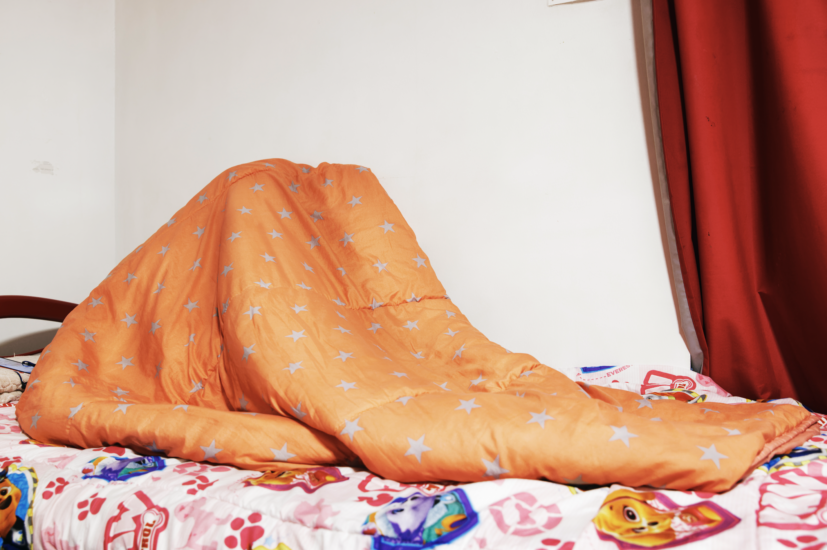
This series recounts the journeys of the residents and their efforts to move forward, through their testimonies and photographic portraits of the rooms they occupy.
These are subtle portraits that do not directly show the young women, but rather the world they have created for themselves in the shelter. The rooms reflect who they are: touching, sometimes damaged, but often full of hope.